
Introduction
Kebab is one of the most popular and widely recognized dishes in the world, celebrated for its rich flavors, cultural significance, and versatility in cooking methods. At its core, kebab refers to grilled or roasted meat, often accompanied by vegetables, bread, or rice. Over the centuries, this dish has evolved into countless regional variations, each reflecting local tastes, ingredients, and culinary traditions. From street food stalls in bustling cities to gourmet restaurants, kebab is a dish that brings people together, symbolizing not only nourishment but also hospitality and shared cultural experiences.
The Origins of Kebab
The origins of kebab trace back thousands of years to the nomadic cultures of the Middle East and Central Asia. Early communities discovered that roasting meat over an open flame was an efficient and flavorful method of cooking while traveling or living in pastoral environments. The Persian word “kabāb,” meaning roasted or grilled meat, became widely adopted and influenced culinary traditions across the Middle East, Anatolia, and South Asia. Initially, lamb and goat were the meats of choice, reflecting the availability of livestock in these regions. Over time, kebab expanded to include other meats such as beef, chicken, and fish, while regional variations began to incorporate unique spices and cooking techniques that reflected local culture.
Traditional Kebab Varieties
Kebab encompasses a vast range of dishes, each defined by its ingredients, preparation methods, and cultural context. One of the most recognizable types is the shish kebab, which consists of chunks of marinated meat threaded onto skewers and grilled over charcoal or open flame. This method creates a smoky exterior while maintaining a tender and juicy interior, often paired with vegetables such as peppers, onions, and tomatoes. Another well-known variety is the döner kebab, where thin slices of seasoned meat are stacked on a vertical rotisserie and slowly cooked. As the outer layers are sliced off, they are typically served in flatbread with fresh vegetables and sauces, creating a quick, flavorful, and satisfying meal.
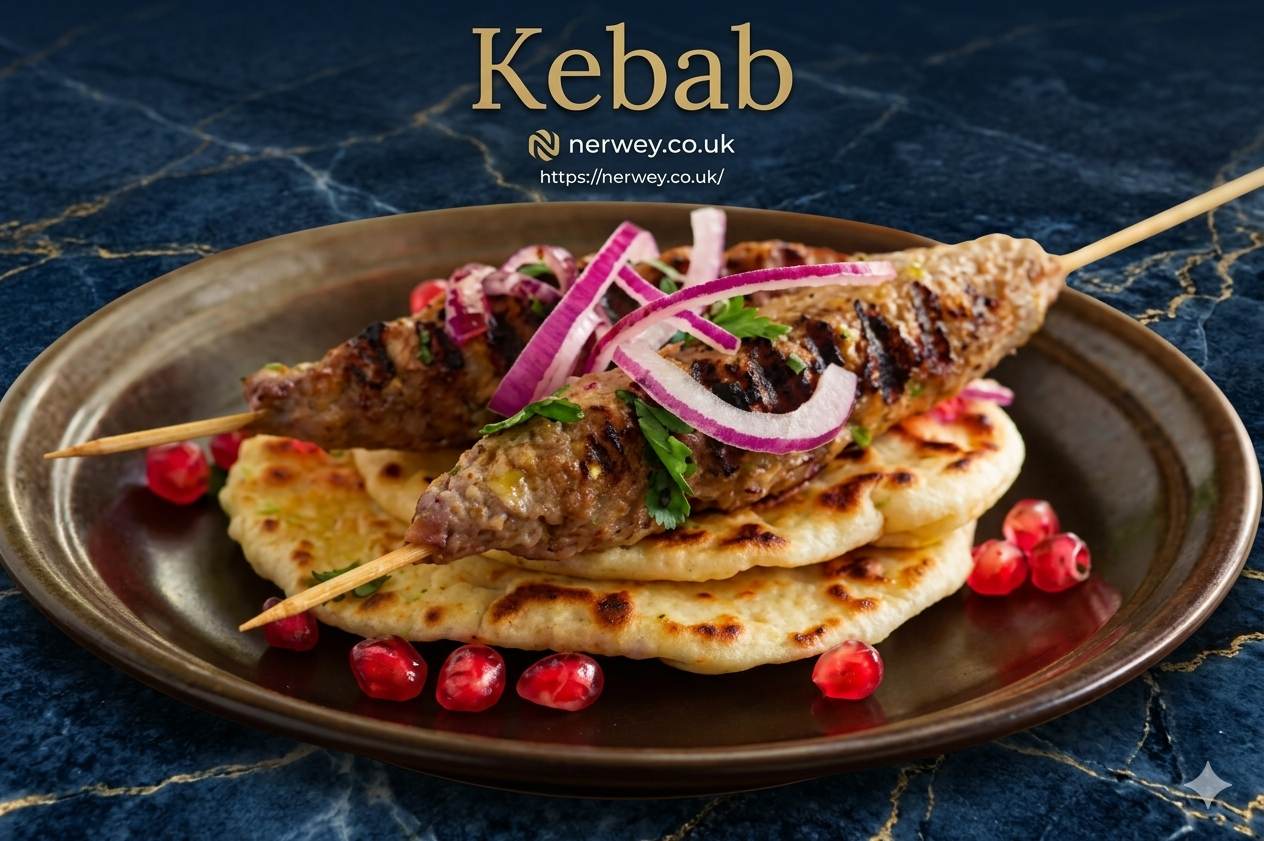
In South Asia, the seekh kebab is popular, made by mixing minced meat with herbs and spices before shaping it onto skewers and grilling. This version highlights the region’s emphasis on aromatic spices and finely textured meat. Other notable regional kebabs include the Turkish Adana kebab, Persian koobideh, Greek souvlaki, and Middle Eastern kebabs infused with unique spice blends. Each type reflects local ingredients, cultural preferences, and centuries of culinary adaptation, demonstrating kebab’s versatility and universal appeal.
Ingredients and Flavor Profiles
The primary ingredient in kebab is meat, which can range from lamb, chicken, and beef to goat and fish. The choice of meat is often influenced by regional preferences, religious practices, and cultural traditions. Vegetarian versions have emerged as well, using ingredients like tofu, paneer, mushrooms, and firm vegetables to recreate the grilled and spiced essence of traditional kebabs. Marination plays a crucial role in developing the dish’s flavor. Ingredients such as olive oil, yogurt, lemon juice, garlic, and an array of spices like cumin, coriander, paprika, and chili powder tenderize the meat while infusing it with complex flavors. The combination of these spices and herbs gives kebab its signature aromatic profile and depth of taste.
Kebabs are frequently accompanied by sides such as flatbreads, rice, salads, and sauces. Yogurt-based sauces like tzatziki provide a cooling contrast to the grilled meat, while spicy or tomato-based sauces add additional layers of flavor. This combination of textures and tastes, from the smoky charred exterior to the tender, juicy interior, is what makes kebab a universally appealing dish.
Cooking Techniques Kebab
Kebabs are prepared using a variety of cooking methods, each imparting unique flavors and textures. Grilling over charcoal remains one of the most traditional and popular methods, as it enhances the meat with a smoky aroma while ensuring even cooking. Vertical rotisserie cooking, used for döner and shawarma, allows for continuous roasting, producing tender slices of meat with crispy edges. Ground or minced meat kebabs, like seekh or kofta, are shaped around skewers and cooked over flames or on hot griddles, ensuring that spices and herbs are evenly distributed throughout the meat. Modern adaptations also include oven roasting, pan-frying, or even air frying, providing convenient alternatives while maintaining the essential characteristics of kebab.
Cultural Significance Kebab
Kebab is more than a dish; it is a cultural tradition that symbolizes community, celebration, and hospitality. In Middle Eastern societies, kebab is often served at family gatherings, weddings, and festivals, representing both culinary skill and generosity. In Turkey, kebabs are celebrated in both street food markets and upscale restaurants, where regional specialties showcase local flavors and techniques. In South Asia, kebabs are a staple of Mughlai cuisine and are frequently prepared during special occasions, reflecting the richness of the region’s culinary history. Across Europe, kebab shops introduced by immigrant communities have become an essential part of urban food culture, especially as quick, flavorful meals accessible to all. Through its widespread popularity, kebab serves as a culinary bridge between cultures, bringing people together through shared enjoyment of food.
Global Spread and Modern Popularity
Kebab’s global presence has grown significantly over the last century. Immigrant communities introduced their traditional recipes to new countries, where local adaptations created fusion styles and innovative variations. Döner kebab, in particular, became a popular fast food in Germany, while shish and seekh kebabs gained popularity in North America and other parts of Europe. Contemporary chefs continue to experiment with kebabs, introducing new proteins, sauces, and presentation styles to appeal to diverse tastes. Vegetarian and vegan kebabs have expanded accessibility, allowing more people to experience the flavors and techniques of this historic dish. The global popularity of kebab demonstrates its versatility, wide appeal, and adaptability to evolving culinary trends.
Nutrition and Health Aspects Kebab
Kebabs can be a nutritious and balanced meal, especially when prepared with lean meats, fresh vegetables, and grilled rather than fried. Grilled kebabs provide high-quality protein, essential vitamins, and minerals, while the inclusion of vegetables adds fiber and antioxidants. Traditional marinades often include ingredients such as yogurt and herbs, which enhance flavor without adding unnecessary calories. However, some commercially prepared kebabs, particularly those in fast-food settings, may contain high levels of fats, sodium, or refined bread, making moderation important. Homemade kebabs, with carefully selected meats and fresh accompaniments, offer a healthy, flavorful, and satisfying meal option.
Kebab Kebabs in Modern Cuisine
Today, kebabs continue to evolve, blending traditional techniques with modern culinary innovation. Fusion kebabs combine flavors from different regions, incorporating ingredients like exotic spices, international sauces, or even unconventional proteins such as seafood or plant-based alternatives. Chefs experiment with presentation styles, creating kebabs as part of gourmet plates, tapas, or fine-dining experiences. These innovations honor kebab’s roots while expanding its relevance to contemporary diners, ensuring that it remains a dynamic and widely enjoyed dish.
Conclusion
@Kebab is a culinary tradition that has transcended its origins to become a global phenomenon. From ancient nomadic practices to modern street food and gourmet interpretations, kebabs embody centuries of cultural exchange, regional adaptation, and culinary artistry. Their versatility, flavor, and adaptability make them a timeless and universally loved food. Whether enjoyed as shish, döner, seekh, or regional specialties, kebabs continue to connect people across cultures, celebrate culinary heritage, and provide a delicious and satisfying meal for generations. Its enduring popularity is a testament to its rich history, universal appeal, and the ingenuity of those who have perfected the art of grilled and roasted meats.