
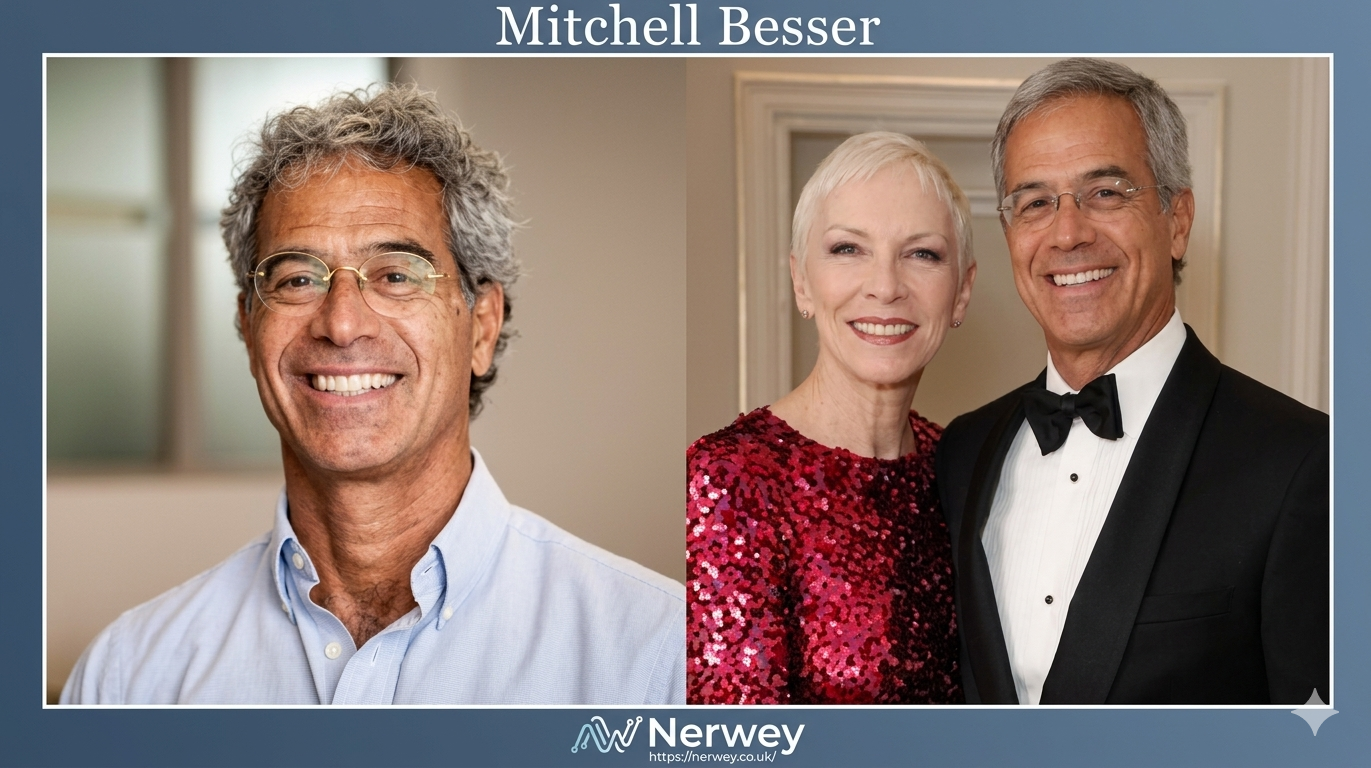
Mitchell Besser is an American physician whose innovative approach to public health has transformed maternal care and HIV prevention in Africa. As the founder of mothers2mothers (m2m), he pioneered a model that empowers HIV-positive mothers to educate and support other women, dramatically improving health outcomes. Through decades of dedication, Besser has demonstrated how compassion, lived experience, and community-led initiatives can reshape healthcare delivery and save lives.
Early Life and Medical Training
Mitchell Besser was born and raised in the United States, where he developed an early interest in medicine and public service. He pursued medical training in obstetrics and gynecology, developing a particular focus on women’s health and community-based care. Early in his career, Besser recognized the importance of combining clinical expertise with social and emotional support to address health disparities, especially in underserved populations. This understanding would later become the cornerstone of his work in global health.
Moving to South Africa and Witnessing the HIV Epidemic
In the late 1990s, Besser moved to South Africa, where he confronted one of the world’s most pressing public health crises: the HIV/AIDS epidemic. Working with pregnant women and their families, he observed the devastating impact of HIV on mothers and infants. Despite the availability of antiretroviral therapies that could prevent mother-to-child transmission, many women were reluctant or unable to access treatment due to stigma, fear, or lack of social support. Besser recognized that traditional medical interventions were insufficient without a supportive, culturally aware framework to empower women and families.
Founding mothers2mothers (m2m)
In response to the urgent need for supportive care, Mitchell Besser founded mothers2mothers (m2m) in 2001 in Cape Town. The organization’s mission was to employ HIV-positive mothers as peer mentors, known as Mentor Mothers, to educate and support other women living with HIV. This innovative approach leveraged shared experience and empathy to build trust, encourage treatment adherence, and reduce stigma. Mentor Mothers not only provided guidance on medical regimens but also offered emotional support, practical advice, and advocacy within their communities.
The Mentor Mother Model Mitchell Besser
The Mentor Mother model is the central innovation of m2m. By employing women who had successfully navigated their own HIV treatment, Besser created a sustainable system of peer-to-peer support. Mentor Mothers accompany expectant mothers through antenatal care, childbirth, and postnatal follow-up, ensuring that both mothers and infants receive critical interventions. This approach empowers women to become leaders within their own communities while improving health outcomes on a broad scale.
Expansion and Global Reach Mitchell Besser
From its origins in Cape Town, m2m expanded across South Africa and into other countries in sub-Saharan Africa. The program now operates in numerous countries, employing thousands of Mentor Mothers and reaching millions of women and families. Through partnerships with government health systems and international donors, Besser ensured that the program was both scalable and sustainable. The m2m model has been recognized internationally as a best practice in community-led health initiatives.
Impact on Maternal and Child Health
The impact of Besser’s work is profound. By integrating peer support into clinical care, mothers2mothers has significantly reduced rates of mother-to-child HIV transmission, increased adherence to treatment, and improved maternal health outcomes. Beyond clinical metrics, the program empowers women with knowledge, confidence, and a sense of agency over their health and their families’ well-being. The Mentor Mother approach demonstrates that healthcare outcomes improve when social and emotional support is integrated with medical care.
Awards and Recognition Mitchell Besser
Mitchell Besser’s work has been widely recognized in global health circles. m2m has received numerous awards for innovation in maternal health and HIV prevention, and Besser himself has been lauded for pioneering a model that combines medical expertise with community empowerment. His vision has influenced public health policies, inspired similar peer-led initiatives worldwide, and positioned Besser as a leading figure in healthcare innovation.
Broader Applications of the Peer Model
Besser’s approach has extended beyond HIV and maternal health. He has advocated for using peer-led support in other health areas, including chronic disease management and mental health. By training individuals who have lived experience to support others, Besser has shown that sustainable, community-driven healthcare can address complex challenges in diverse populations. This philosophy emphasizes empathy, empowerment, and practical guidance alongside clinical expertise.
Personal Life and Advocacy Mitchell Besser
Mitchell Besser is known for his dedication to service rather than personal recognition. He has collaborated with international organizations, governments, and donors to scale the m2m model while maintaining a focus on community needs. His personal life reflects a commitment to advocacy, mentorship, and social justice, demonstrating that healthcare innovation is inseparable from social responsibility.
Legacy and Lasting Influence
The legacy of Mitchell Besser lies not only in the millions of mothers and children whose lives have been improved but also in the paradigm shift he created in public health. By showing that community-led, peer-based support can dramatically improve outcomes, Besser has influenced programs across HIV prevention, maternal care, and beyond. His work emphasizes that those most affected by health challenges can be empowered to lead interventions, transforming both individual lives and healthcare systems.
Conclusion
Mitchell Besser’s life and work exemplify how innovation, empathy, and community empowerment can revolutionize healthcare. Through mothers2mothers, he has saved countless lives, inspired global health programs, and set a standard for integrating social support with clinical care. His vision proves that when communities are engaged as partners rather than passive recipients, healthcare becomes more effective, equitable, and sustainable. Besser’s contributions continue to shape public health approaches and serve as a model for transformative, people-centered care around the world.